10 X-Men Storylines That Changed the Game With a Single Issue
منتشرشده: · ایران
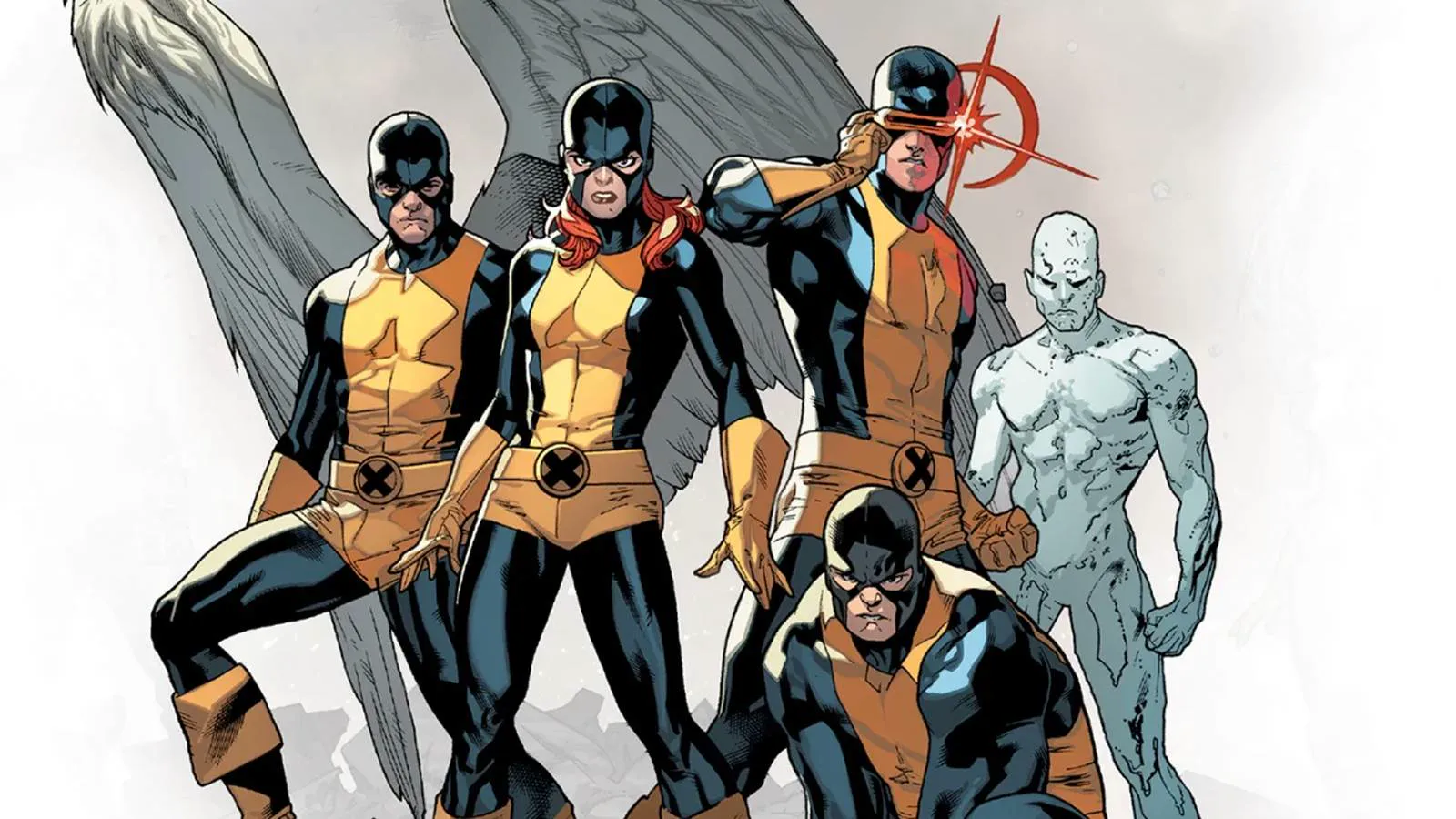
When it comes to the X-Men franchise, they are no strangers to changing the status quo of the series.
When it comes to the X-Men franchise, they are no strangers to changing the status quo of the series. Ever since the glory days of Chris Claremont's run, the X-Men comics have constantly delivered storylines that have changed the landscape of the franchise, to the point of being radically different in just a couple of years. That is, this is a series that is no stranger to change and usually welcomes it, even if it's divisive among the fanbase.
Add CBR on Google Add as Preferred Source Follow on Google Discover
In that regard, there are specific X-Men issues that have proven to be incredibly important throughout the years. Some of them have presented characters who would become major players in the franchise, others presented plot points that would redefine the series, and others were simply celebrated among fans because of their outstanding quality. Be that as it may, they are all important moments of the X-Men world and deserve their own recognition.
The Uncanny X-Men #201 Saw Storm And Cyclops Battling It Out For The Leadership Of The Team
An all-time classic when it comes to Chris Claremont's iconic and influential Uncanny X-Men run. This issue presented something that had been building up since the days of the Dark Phoenix Saga: Cyclops leaving the X-Men. But as Magneto became the new leader of the team, he didn't want to leave them despite the suggestion by his then-wife, Madelyne Pryor. This resulted in Cyclops and Storm, then without her powers due to recent events in the plot, battling it out for the leadership of the team.
This issue was very important because it set up Scott Summers' departure from the team, something that would remain until the early 90s and would begin a new era for the X-Men, with Storm at the helm. Moreover, this issue also presents Nathan Summers' birth, a character who, in hindsight, would become extremely important for the franchise moving forward. It also showcases Scott's growing problems with Madelyne, who would end up serving a role during the events of the Inferno event.
God Loves, Man Kills Had The X-Men At Their Sociopolitical Best
It was a graphic novel, so it still counts as a single issue. Regardless, God Loves, Man Kills is highly celebrated as one of the greatest X-Men stories ever told, and also highlights the franchise's sociopolitical commentary better than before or since. And the key lies in its main villain, William Stryker.
Chris Claremont wrote this story in 1982 during the height of TV televangelists, basing Stryker on that and claiming that mutants were an insult to God. Furthermore, the storyline has the X-Men teaming up with Magneto, their lifelong rival, to deal with this enemy as they have a debate regarding how to deal with mutant prejudice. This story would not only serve as a narrative seed for Magneto's eventual redemption, but also cement the series as one that pushed comics even further into more serious and smarter territory.
Jean And Scott Finally Got Married In X-Men #30
Jean Grey and Scott Summers might be one of the most complicated romances in mainstream comic book history. While initially very straightforward, a love triangle with Wolverine, Jean's death during the Dark Phoenix Saga, and Scott's own relationship with Madelyne Pryor made things very complicated between them. However, there is no denying that the love that they had for each other was genuine and finally came to fruition during X-Men #30 when they finally tied the knot.
Perhaps the biggest impact this issue had is that it played the whole wedding straight. There are no battles, no plot twists, no bitterness beneath the surface. It highlights the X-Men for what they were at the time: a family of misfits who had their backs through thick and thin. Both Jean and Scott's love for each other shines brighter than ever before here, and it is a very enjoyable read. And moving forward, their relationship would become the driving force for a lot of stories, both good and bad.
Uncanny X-Men #137 Ended One Of The Most Important Sagas In The Medium
From one extreme to the other. The Dark Phoenix Saga was a watershed moment for the X-Men and comics in general: it took the mutant team to its highest stakes ever, dealing with Jean's powers rising to galactic levels thanks to the Phoenix Force, and the risk she might lose her mind in the process. Even though it seemed everything was going to be okay, she had to be punished for taking the lives of billions, resulting in the X-Men fighting for her.
The results, though, were not positive for the heroes. Jean would ultimately die in front of Scott during this issue, scarring the leader of the X-Men for quite a while. Her death would also become a seminal moment for the franchise, capping off what was the comics' most important and successful story until that point. This would also change the direction of the team, push Cyclops' character to the point of leaving them, and mark the beginning of a lot of shenanigans with Jean and the Phoenix Force.
Magneto's Character Became A Lot More Complex Thanks To Uncanny X-Men #200
It's easy to believe that Magneto was always the complex character we have come to love and appreciate across multiple comic runs and adaptations. However, that wasn't always the case, and it was Chris Claremont who slowly started to add more nuance to his character, to the point of becoming a lot more compelling, which is something that reached a peak with Uncanny X-Men #200.
This issue has Magneto going on trial for the many crimes that he committed while also accepting Charles Xavier's offer to lead the X-Men. As one might expect, this was huge for the franchise since the heroes' mortal enemy was now joining their side. It would challenge the views within the Marvel universe and the readers' view of who Magneto is as a character and what defines him moving forward. In many ways, a lot of modern Magneto hails from this issue, and a lot of people don't give it enough credit.
House Of X #1 Was A Divisive And Yet Important Shift For The Franchise
By 2019, Marvel Comics had been playing with the X-Men's moral code for quite a while. Multiple events and runs during the previous decade or so had the mutants having quarrels within their fold or even with the rest of the Marvel universe. In comes writer Jonathan Hickman and decides to double down on that, with the first issue of House of X kicking off what would be known as the Krakoan era.
While the quality of this era has been debated online time and time again because of various creative decisions, it shows the X-Men taking control over Krakoa and trying to create their own mutant utopia. This led to a lot of decisions that showed that they were not behaving as usual, with Hickman clearly aiming for several twists and turns. And to be fair, this run proved to be a successful comic book run and has generated discussions on whether the X-Men are still heroes or not.
Cable Made His Debut With New Mutants #87 And Truly Nothing Was Ever The Same
The New Mutants comic was part of the X-Men franchise at the time, so its stories also need to be considered, especially when considering their impact on multiple titles. And the best example of that was issue #87, depicting the introduction of the man known as Cable. Little did readers at the time know that this man would dominate 1990s comics, for better or worse.
Leaving aside that the introduction of Cable would end up being a commercial hit, he was also important in the narrative since he took the New Mutants under his wing and went in a much harder and darker direction, eventually leading to the formation of X-Force. There is also the fact that he would eventually be revealed to be Scott and Madelyne's child from the future, Nathan Summers, a fact that would even lead to its series events and so on, pushing the X-books in crazy directions in the '90s.
Apocalypse Began His Reign With X-Factor #6
The beginning of the X-Factor series had some ups and downs, especially when it comes to the rather forced way that the team was formed. However, by the time the sixth issue arrived, there was a major element that was presented in this run, which would define most of the franchise moving forward: the introduction of the villain Apocalypse. And while some of his personality and mannerisms were still in the making, his presentation was something that cannot be understated.
Apocalypse slowly becomes one of the most interesting villains in the X-books: a mutant who strongly believes in the concept of survival of the fittest, whether they are humans, mutants, or more. His backstory as an older mutant who has lived countless eras, his imposing design, and the many iconic storylines he had moving forward would elevate the series. It is hard to imagine the X-Men without Apocalypse these days, and that's the sign of a great villain.
Uncanny X-Men #141 Presented Arguably The Franchise's Most Iconic Alternate Future
Even the most casual comic book fans know the cultural impact of the Days of Future Past storyline. It combines two elements that have become intrinsic to the X-Men across media throughout the years: time travel and mutant prejudice. Uncanny X-Men #141 takes the reader to the future where an adult Kitty Pryde is one of the few mutant survivors since most of her race were eradicated by the Sentinels, which is why she travels to the past to avoid these events.
In terms of storytelling, it was one of the highest-regarded stories in comic book history, further cementing X-Men as the dominant series in the market at the time. Moreover, it helped establish Kitty as a character at the time, presented the idea of alternate futures with these characters, and made the threat of the Sentinels even more notorious. A lot of stories in the franchise took inspiration from Days of Future Past, and everything begins with this very issue.
Giant Size X-Men #1 Changed The Series Forever And For The Best
Nowadays, it's hard to imagine a world where the X-Men weren't a commercial juggernaut. However, that was the reality back in the mid-1970s. Then came Giant Size X-Men #1, written by Len Wein and drawn by Dave Cockrum, which depicts the original team, with Cyclops being kidnapped, resulting in the latter and Charles Xavier recruiting new members from abroad. In come Colossus, Wolverine, Storm, Thunderbird, and Nightcrawler, while also having returning characters from previous issues such as Banshee and Sunfire.
The importance of this issue speaks for itself. This not only helped revitalize the X-Men as a viable title in mainstream comics, but it also presented a lot of new characters and added more variety to the cast. It helped the team become a lot more dynamic and would end up paving the way for Claremont's triumphant run, with him already contributing to the plot of this issue despite not being originally credited. The fact that most of the new characters presented here have become synonymous with X-Men says a lot about its impact. It is nearly impossible to think of the franchise without the input of this issue.