Iran: Supreme Leader grants the government specific authority to manage the course of talks with Washington
منتشرشده: · بهروزرسانی: · ایران
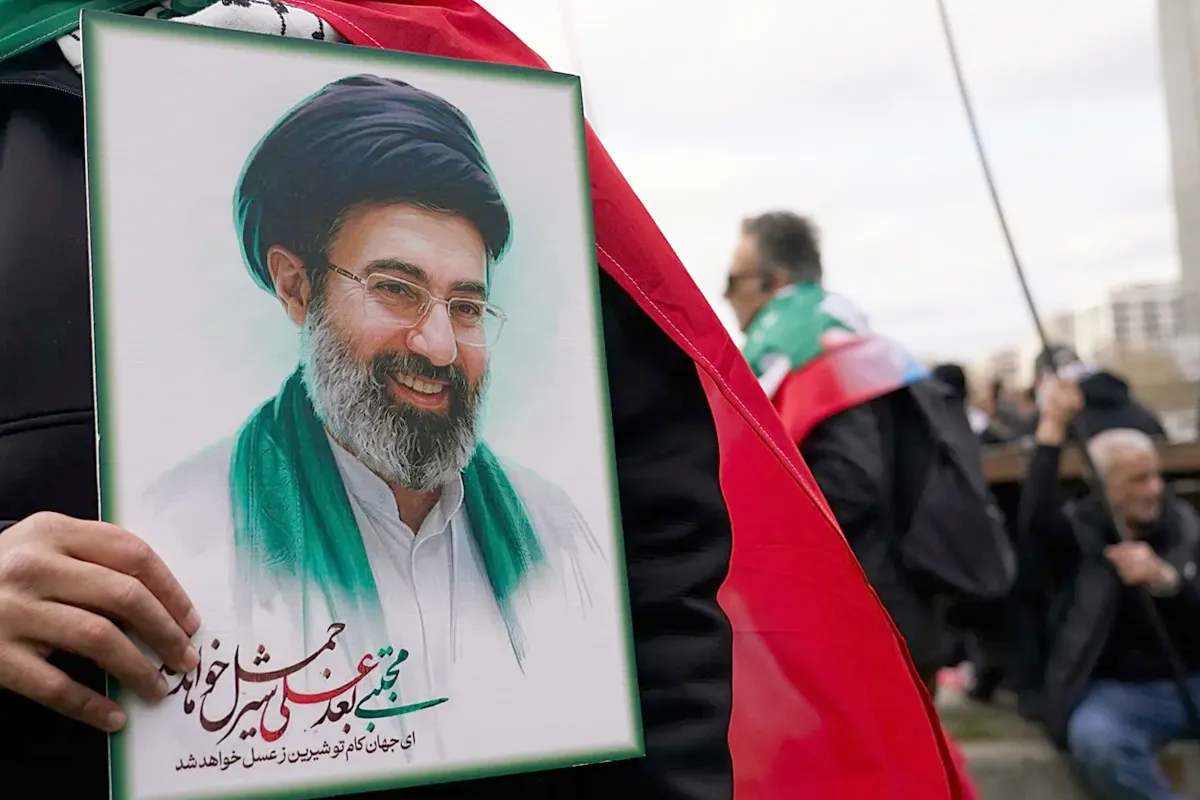
Highlights Distribution of Authority and Negotiation Parameters Divergent Stances and Internal and External Challenges Future Prospects for the Communications Trajectory Tehran, Iran – Iranian state media reported today that…
Highlights
Distribution of Authority and Negotiation Parameters
Divergent Stances and Internal and External Challenges
Future Prospects for the Communications Trajectory
Tehran, Iran – Iranian state media reported today that President Masoud Pezeshkian has stated that the Supreme Leader of the Islamic Revolution has granted the government specific, carefully defined authority to manage ongoing talks and communications with the United States. These developments come at a sensitive time, as Iran’s foreign policy undergoes intense activity regarding how to address the pressures and outstanding issues in its relations with Washington. Meanwhile, there is significant regional and international interest in the nature of this Iranian decision and the division of authority between the presidency and the office of the Supreme Leader.
Distribution of Authority and Negotiation Parameters
The latest move reflects a tightly-knit institutional coordination within Iran’s decision-making structure, with the Supreme Leader ensuring that strategic directives and “red lines” remain under his direct supervision. Meanwhile, the executive branch manages technical and diplomatic details within the scope of the authority granted to it. This approach underscores the Iranian leadership’s pursuit of a flexible political maneuver—one that upholds national constants while simultaneously allowing room for diplomatic engagement.
Ajel Newspaper
Divergent Stances and Internal and External Challenges
The disclosure of these mandates comes amid broad debates within Iranian political circles regarding the viability and seriousness of engaging in dialogue with the American side, given the persistence of sanctions and regional tensions. Pro-government factions argue that exhausting all diplomatic avenues is an urgent necessity to alleviate economic pressures, while conservatives and hardliners emphasize the need for extreme caution and warn against making unreciprocated concessions to Washington.
Future Prospects for the Communications Trajectory
These powers place a grave responsibility upon the Iranian government to test American intentions and reach understandings that protect Tehran’s interests and safeguard its rights. Observers are now awaiting the practical steps that may emerge at the diplomatic negotiating table in the coming days. Yet, the question remains: will this initiative pave the way for de-escalation, or will it once again run up against the complex challenges surrounding mutual trust between the two nations?