NAO: Government bodies ‘still learning’ how to report climate-related risks and adaptation
منتشرشده: · بهروزرسانی: · ایران
The National Audit Office (NAO) reviewed disclosures from 31 public bodies under new sustainability reporting requirements set by the Treasury.
The National Audit Office (NAO) reviewed disclosures from 31 public bodies under new sustainability reporting requirements set by the Treasury.
Beginning in the 2025-26 financial year, public bodies must disclose climate-related impacts and exposure to risk. As such, this is the first full year of reporting.
The NAO found a ‘mixed picture ’, noting that some bodies uncovered that climate change could have serious impacts on services and infrastructure.
Public bodies are in various stages of resilience and preparedness to respond to issues such as flooding and overheating.
“UK public services will need to adapt to the impacts of climate change. Parliament needs clear information on the resilience of infrastructure, service provision and finances to climate change, and on how these risks are being managed,” The NAO’s head Gareth Davies said.
“Although public bodies are still learning how best to report their most pressing climate risks, the requirement on all large central government bodies to make such disclosures from 2025-26 is an important first step. We expect this reporting to become more useful over time.”
Across the reporting analysed, the NAO found that train companies currently report on flooding, landslides and high winds, with financial losses from climate change set to rise, meaning that some routes could become inoperable under worst-case climate scenarios.
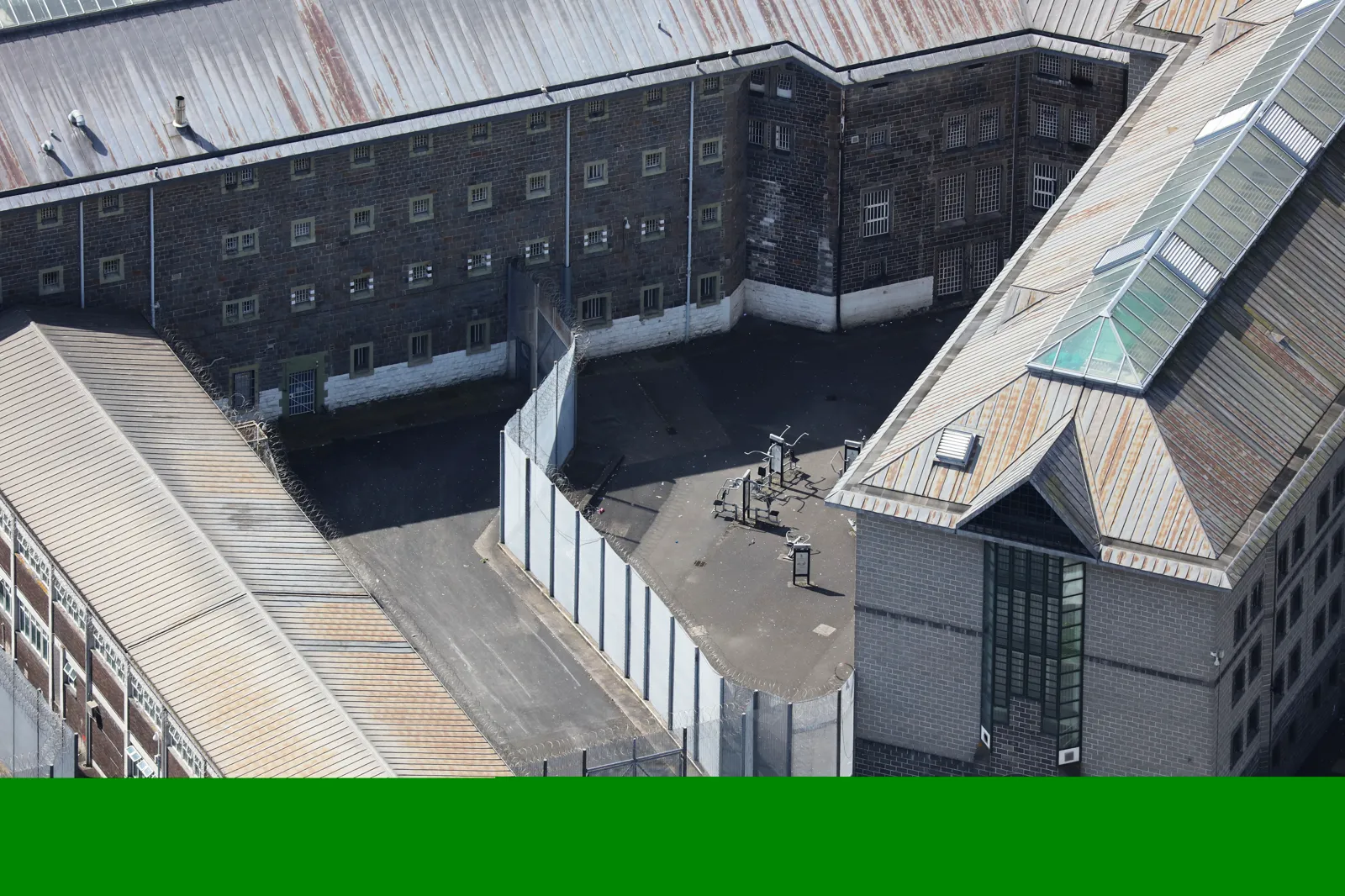
Almost nine in 10 prisons disclosed high risk of flooding, with almost three-quarters at high risk of overheating.
The NAO notes that climate scenario analysis will inform the prison service’s investment planning moving forward.
While government bodies tend to identify flooding and overheating as risks, few are explaining what these risks could mean for their services and finances, with climate scenario analysis still “limited”.
In the few cases where climate scenario analysis is being used, it is helping bodies understand future costs, risks to services and investment decisions. However, most disclosures do not include enough targets or measures to prove useful with management and planning approaches.
Last year’s NAO review found that some government bodies have already seen benefits from early adoption of TCFD-aligned disclosure, reporting improved understanding and management of climate-related risks, better financial oversight and identification of potential cost efficiencies.
HM Treasury has provided guidance and bespoke support to help departments adapt to reporting requirements.
The NAO claims that reporting has improved on 2024/25 levels.
The NAO recently warned that the country must do more to protect its food supply chain from such shocks.
Amid the exceptionally hot and dry conditions, farms have suffered immensely. Following five heatwaves this year and below-average yields in the years before, the Energy and Climate Intelligence Unit (ECIU) has estimated that British farmers will have lost £4.8bn in failed harvests since 2024.
While food supply has remained stable, bar select item shortages, in the midst of various disruptions such as COVID-19, the NAO concluded that the Government, industry and communities are not ready for anything more severe.
Shape your corporate adaptation efforts with ’s new webinar
While climate reporting helps organisations understand their exposure to risk, it does little to reduce direct climate risk. To drive progress, businesses must determine what such findings mean for their operations, and what actions are needed to reduce vulnerabilities, gaining buy in from the Board and throughout the organisation.
This 45-minute masterclass, taking place on 19 November at 1pm and hosted in partnership with SmartResilience, will explore how organisations can move from identifying physical climate risks to managing and prioritising them, connecting assessment findings with operational decisions and longer-term investment planning.
Register for the webinar here.
© Faversham House Ltd 2026 news articles may be copied or forwarded for individual use only. No other reproduction or distribution is permitted without prior written consent.