El Niño could bring heavy rain to Dubai, here’s how the city is preparing
منتشرشده: · بهروزرسانی: · ایران
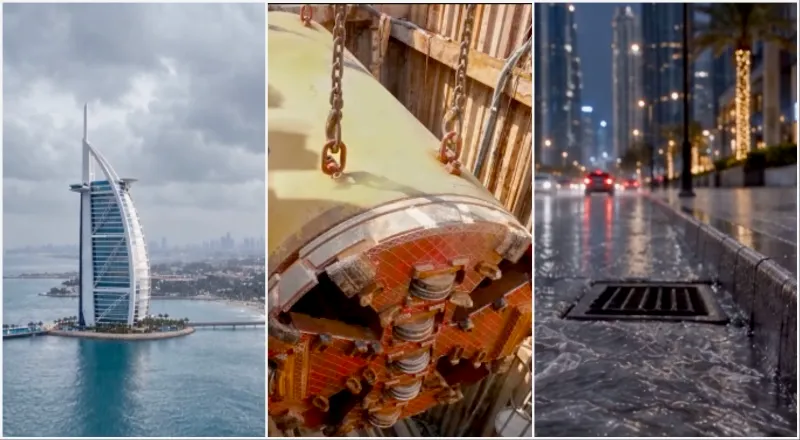
## Quite a lot actually, including around Dhs3 billion worth of infrastructure investment into rapid water channelling… The El Niño weather system has been causing havoc across the world this year, spiking temperatures in some…
Quite a lot actually, including around Dhs3 billion worth of infrastructure investment into rapid water channelling…
The El Niño weather system has been causing havoc across the world this year, spiking temperatures in some regions and lowering the threshold for extreme weather events.
Whilst it is true to say that, typically, the UAE’s own climate is relatively insulated from the worst effects of El Niño, the potential for meteorological disruption remains. That could mean a greater chance of heavy rainfall over winter months, though fortunately – that eventuality is something the UAE has been preparing for in earnest.
View this post on Instagram
A post shared by DubaiMediaOffice
Rain, rain go away
The UAE has the power to summon rain (through its extensive cloud seeding projects), but it also has the capability to banish it. The Tasreef project has seen Dhs3 billion worth of enhancements approved for Dubai’s storm drain network.
Dubai Municipality has recently awarded four contracts worth Dhs3 billion as part of the Tasreef programme, an ambitious Dhs30 billion infrastructure project designed to overhaul the emirate’s stormwater drainage network.
The newly announced works will involve the construction and extension of approximately 100 kilometres of drainage channels, some measuring up to three metres in diameter. Covering around 100 square kilometres of Dubai, the improvements will serve communities including Jumeirah, Umm Suqeim, Al Quoz, Al Barsha and Al Wasl.
Once the wider Tasreef programme is completed in 2033, Dubai’s stormwater drainage capacity is expected to increase by 700%, helping the city better manage extreme rainfall events.
What is El Niño and does it guarantee a wetter winter?
In simple terms, El Niño is a climate phenomenon associated with unusually warm surface waters in the central and eastern equatorial Pacific Ocean. These temperature changes can disrupt atmospheric circulation and influence weather patterns thousands of kilometres away.
Scientists monitor sea surface temperatures and atmospheric conditions to identify El Niño events. One key indicator is sustained warming of at least 0.5°C above average in a designated region of the tropical Pacific.
According to NOAA’s October forecast, a strong-to-very-strong El Niño is likely to persist into early 2027. But does that guarantee Dubai is in for a soaking? Not necessarily. Although El Niño has been linked to increased rainfall across parts of the Middle East, predicting individual storms or seasonal rainfall totals remains an imperfect science.
The important thing is that the authorities have invested money, effort and innovation into dealing with those impacts, should these weather patterns materialise now and in the future.
Images: Dubai Media Office/on file